
Stalactites, a Vintage Fire Truck, and a Tower With a View: Our Team Ausflug to Iserlohn
Our development team had planned this one for a while: a day trip to the Dechenhöhle in Iserlohn, about forty minutes from Dortmund. It was my first time inside a cave like this, and it's hard to describe standing under rock formations that took close to a hundred years to grow into the shapes you see. It's genuinely fantastic that a place like this exists so close to where we work. Nine of us made the trip together, and it's a nice piece of team culture I've come to appreciate — I'm not sure how common it is elsewhere, but normally we get together like this, or go somewhere special as a team, about three times a year. As someone who moved here from abroad, days like this mean a lot: equal parts fun and a chance to actually explore the region I've now been living in for close to three years.
Into the Dechenhöhle
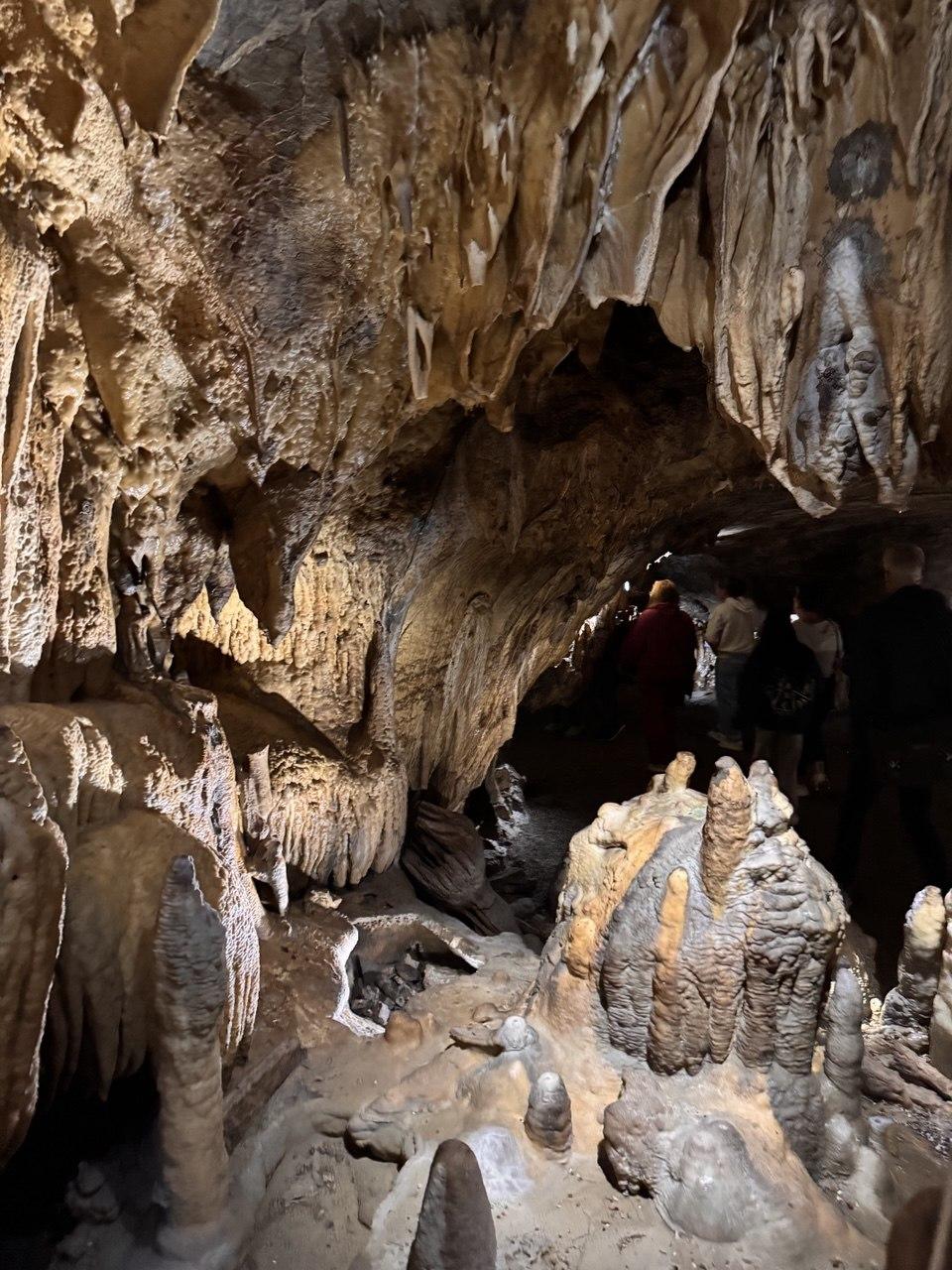
The Dechenhöhle has a good story behind it. It was discovered by accident on 10 June 1868, when railway workers building the Letmathe–Iserlohn line found a crevice in the rock — the story goes that a dropped hammer is what gave it away. A few weeks later it was already open to guided visitors, and by the end of that same year several thousand people had come to see it. It was later named after the geologist Heinrich von Dechen, who visited that August and reportedly insisted the cave be protected rather than picked apart, which is very much how it's treated today: fully guided, well protected, and clearly cared for.
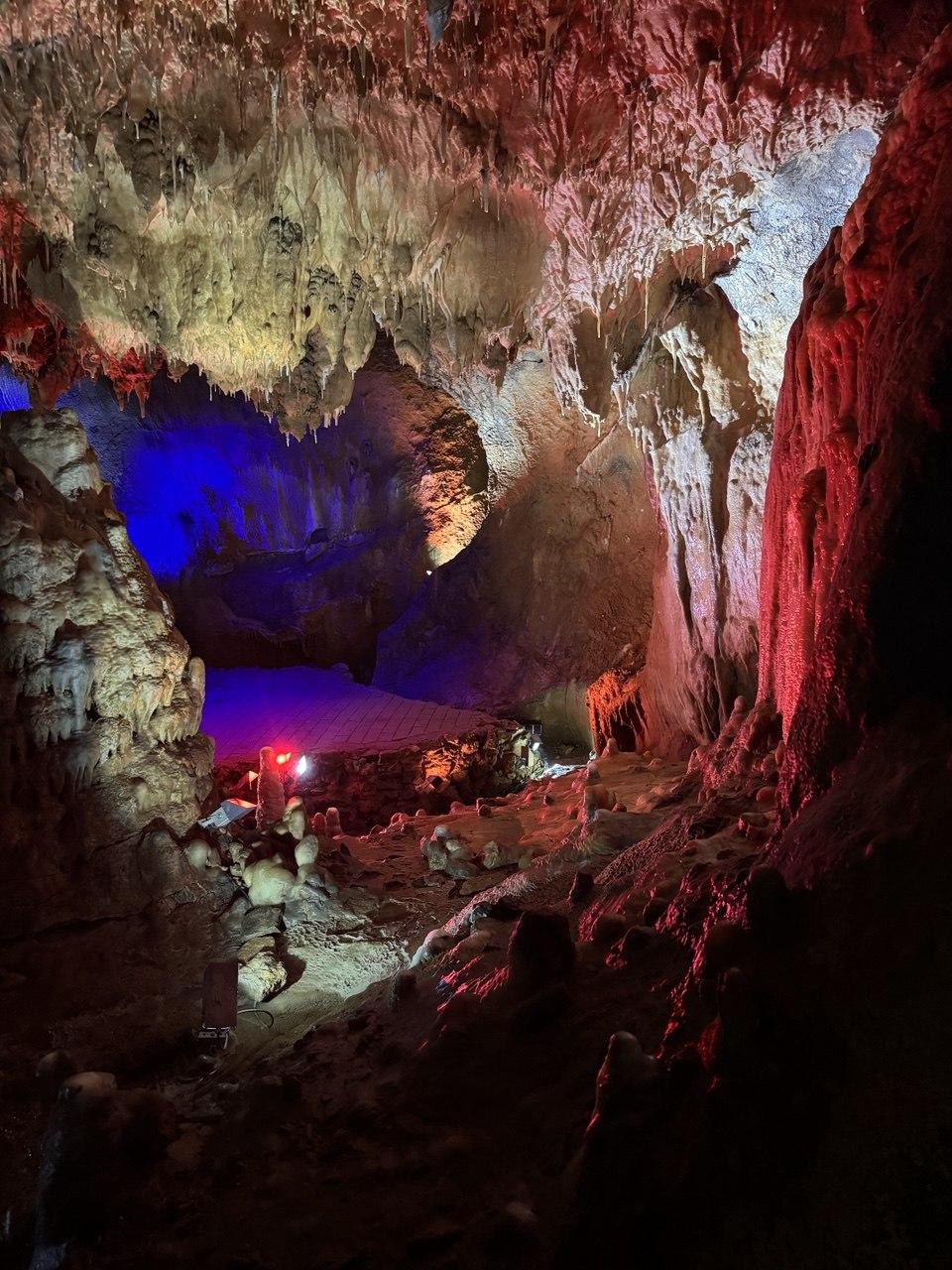
Walking through it is a strange mix of beautiful and mildly unsettling — in a good way. The formations glisten under careful lighting one moment, then a passage narrows and goes quiet and it all feels a little eerie the next. The whole thing is guided end to end, and the ticket covers both the cave and the adjoining Deutsches Höhlenmuseum for ten euros per person. Kids are welcome too, which made it an easy recommendation when a couple of us mentioned it to our families afterward.
The Deutsches Höhlenmuseum
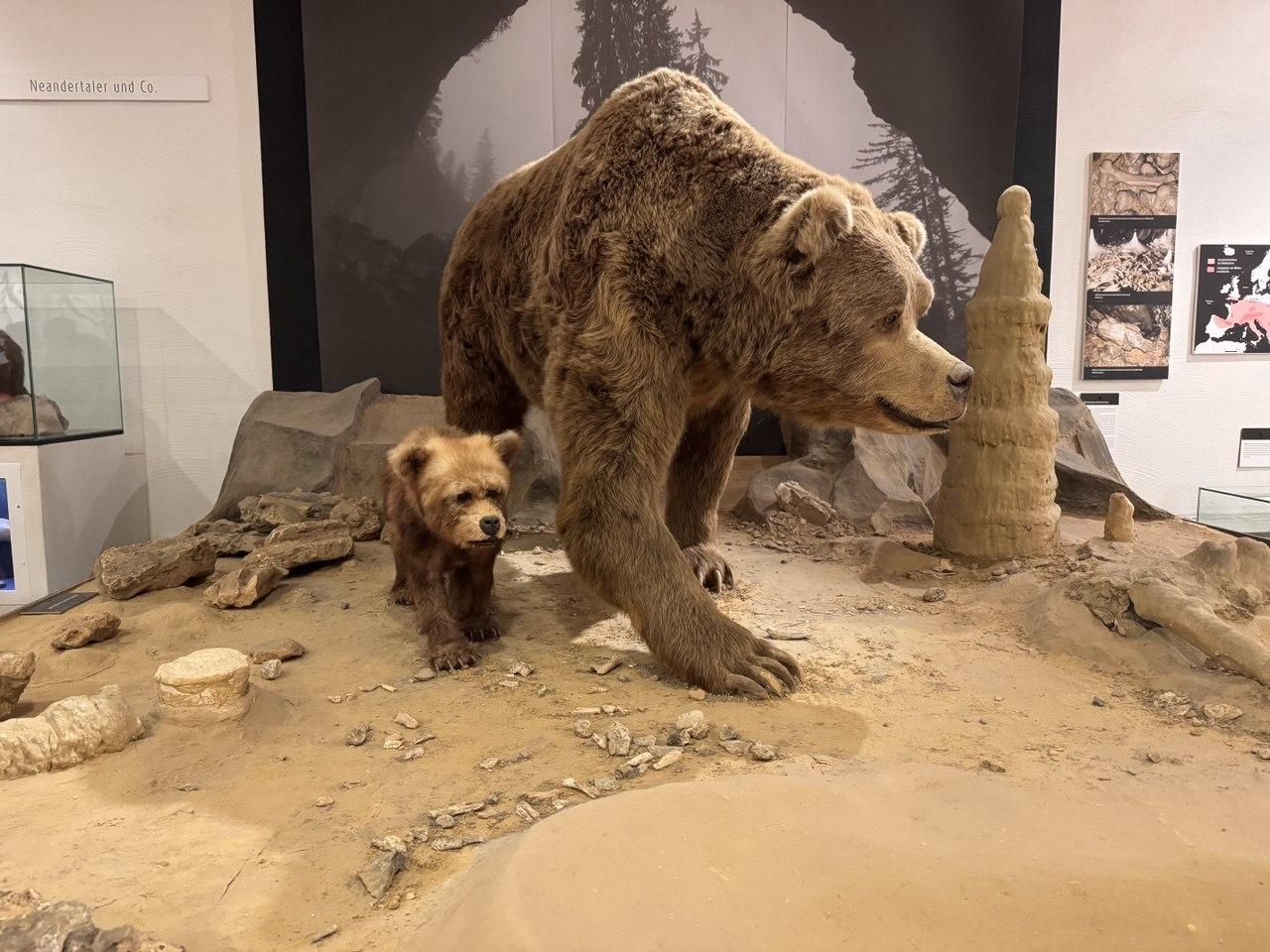
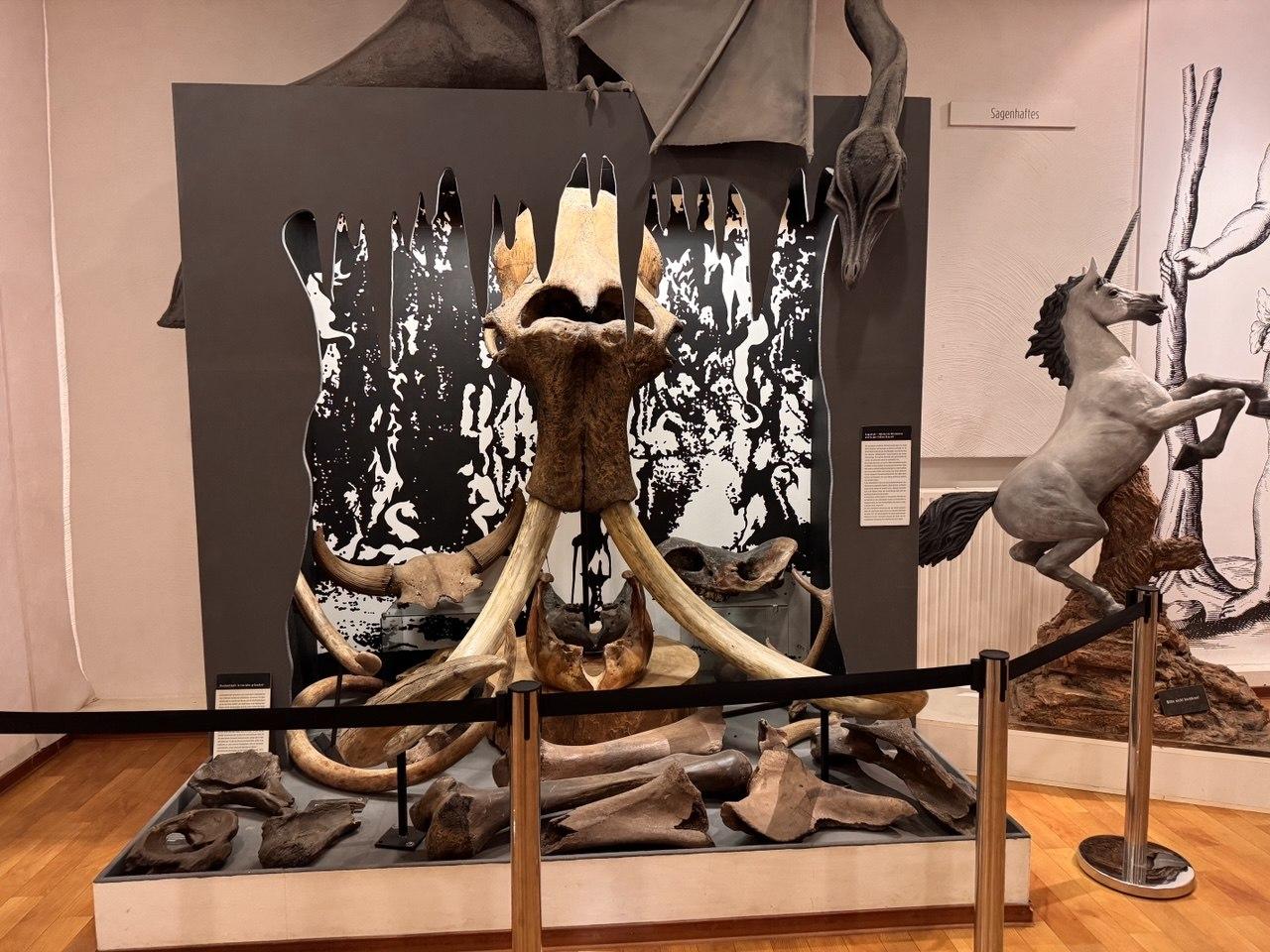
Right next to the cave entrance is the Deutsches Höhlenmuseum — the German Cave Museum — which goes well beyond the Dechenhöhle itself, covering how caves form, what's lived in them over the millennia, and the history of cave research in general. A life-sized cave bear and cub greet you early on, and further in there's a genuinely striking display of mammoth bones and tusks.
An Old Friend in the Parking Lot
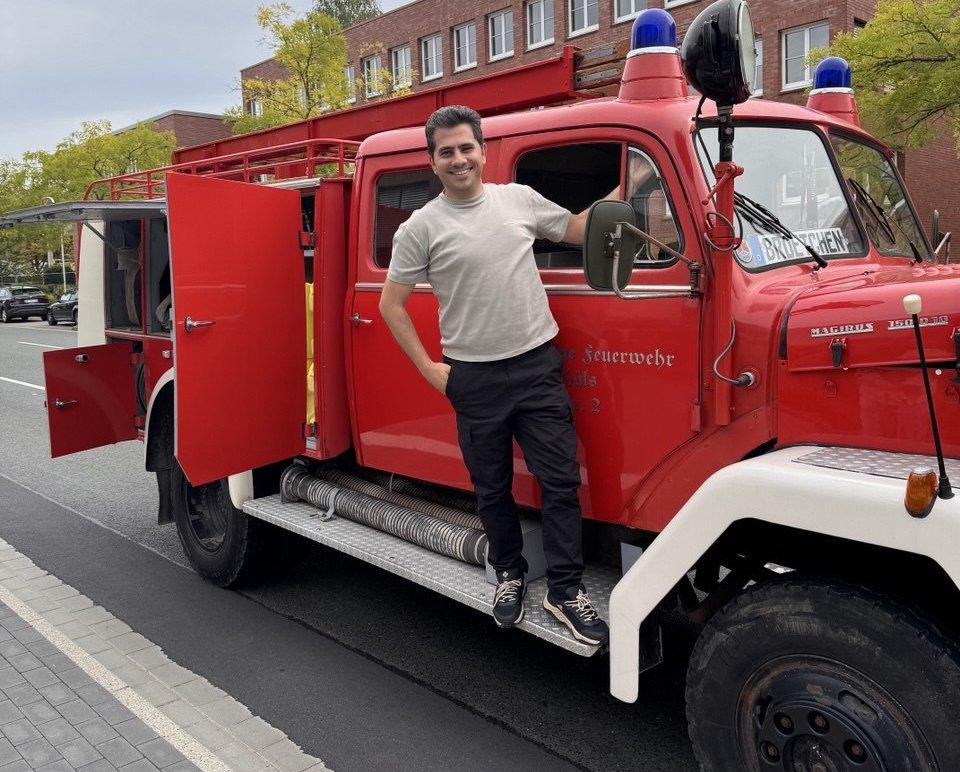
Before we headed to the cars, one of our colleagues showed up with a surprise of his own: a beautifully restored old Magirus fire truck. We got to climb up, look through the cab, and take far too many photos next to it before finally leaving. He's a great developer, but it turns out he's just as serious a fan of old motorbikes and cars — the kind of detail about a colleague you only really find out on a day like this.
Up to the Danzturm
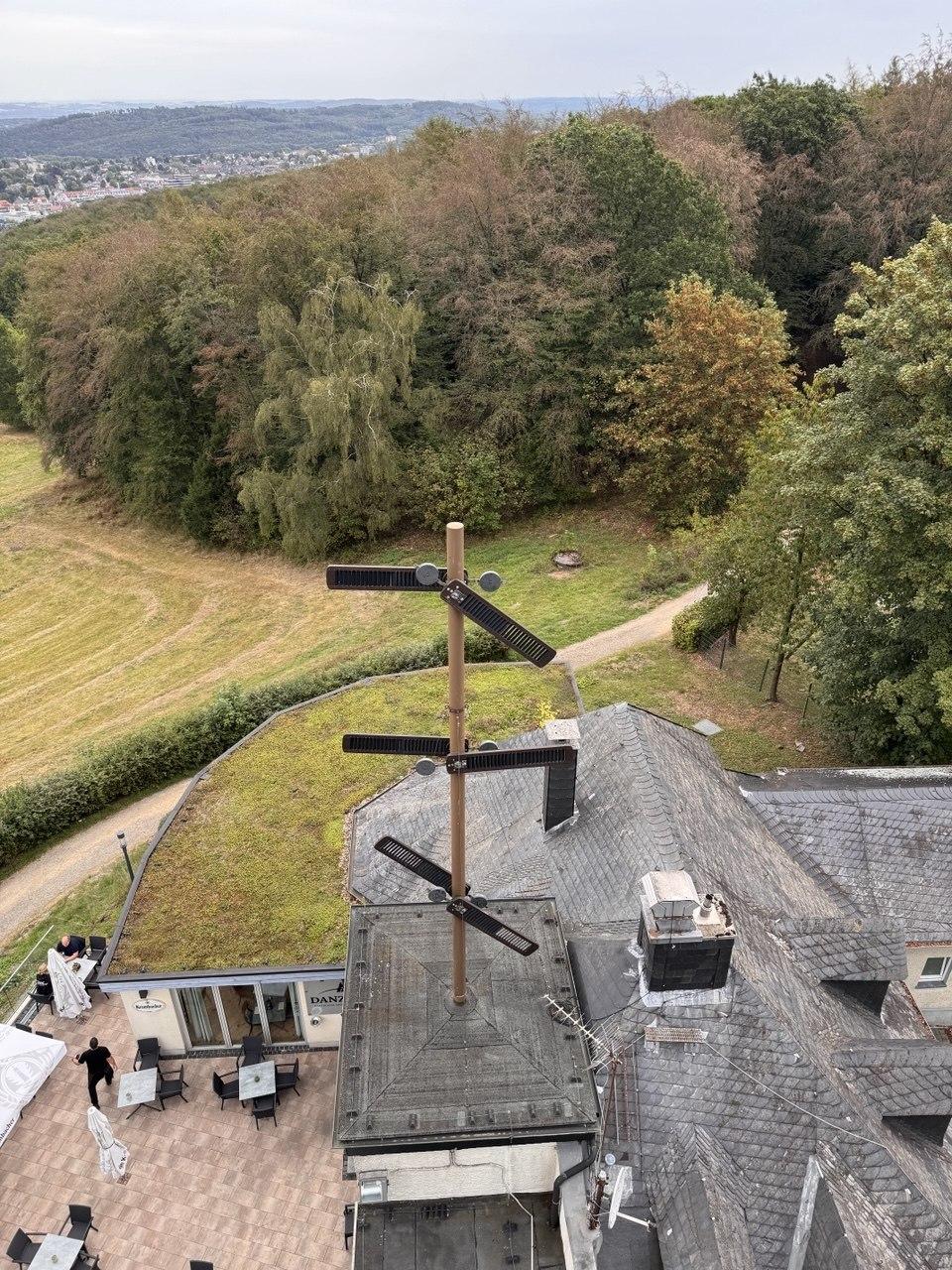
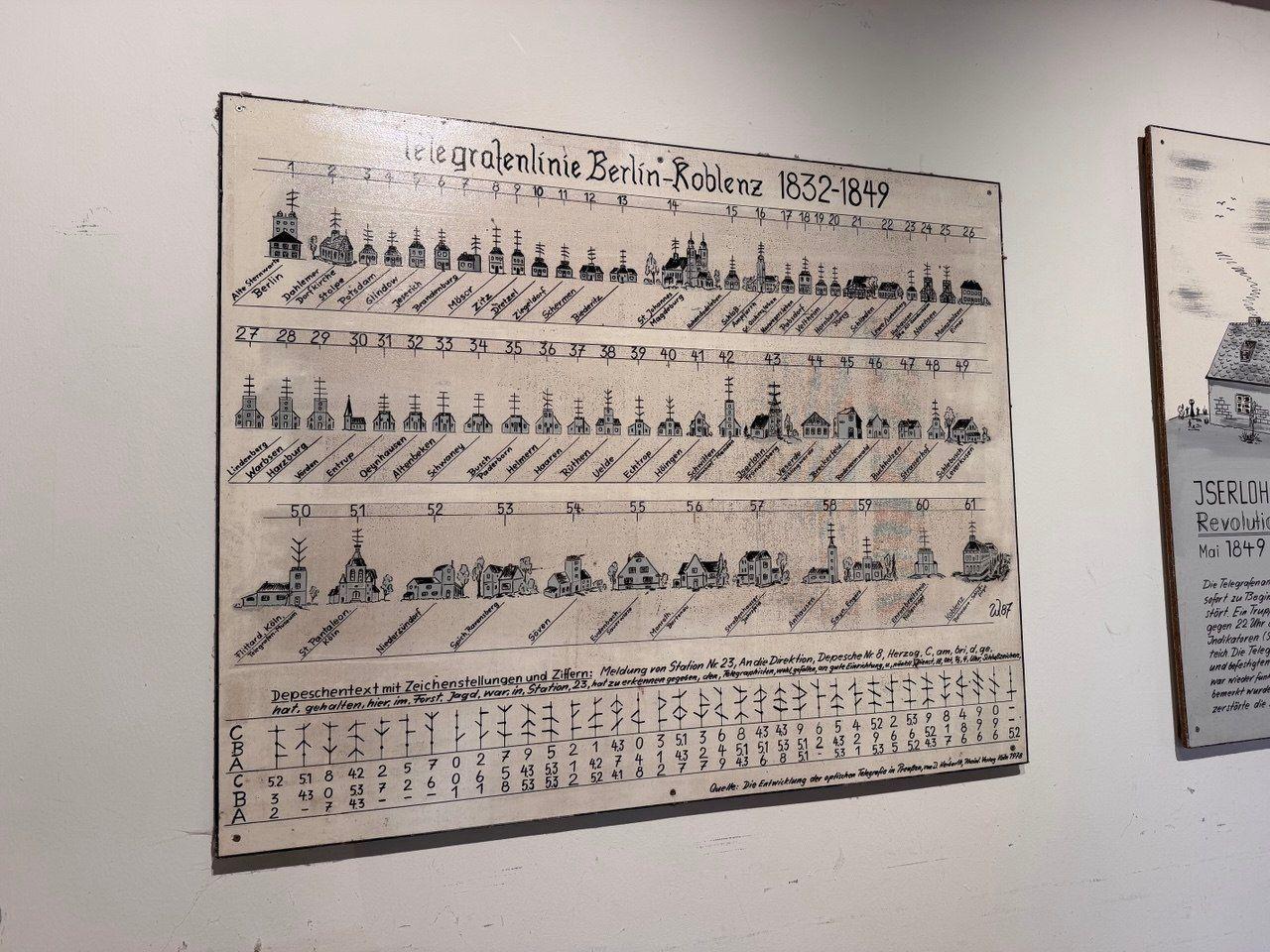
The plan after the cave was to head for dinner somewhere well known in this part of the Sauerland: the Danzturm, a 28-metre tower standing in Iserlohn's city forest on the Fröndenberg hill. It was built in 1908/1909 right where an old optical telegraph station — station number 43 — once stood, part of a line that ran from Berlin to Koblenz between 1832 and 1849, relaying messages from hilltop to hilltop long before anything electrical existed. The tower itself is named after Professor Ernst Danz, a local honorary citizen who was known, among other things, for helping reforest Iserlohn's city woods — which felt fitting, standing in the middle of them.
Inside, there's a museum plaque showing the entire old telegraph line, station by station, city by city, all the way from Berlin down to Koblenz. Seeing it laid out like that — dozens of little relay stations, each just close enough to see the next with a telescope — makes it obvious how much thought went into a communication network built almost two centuries ago, long before anyone here had heard of the internet.
Dinner With a View
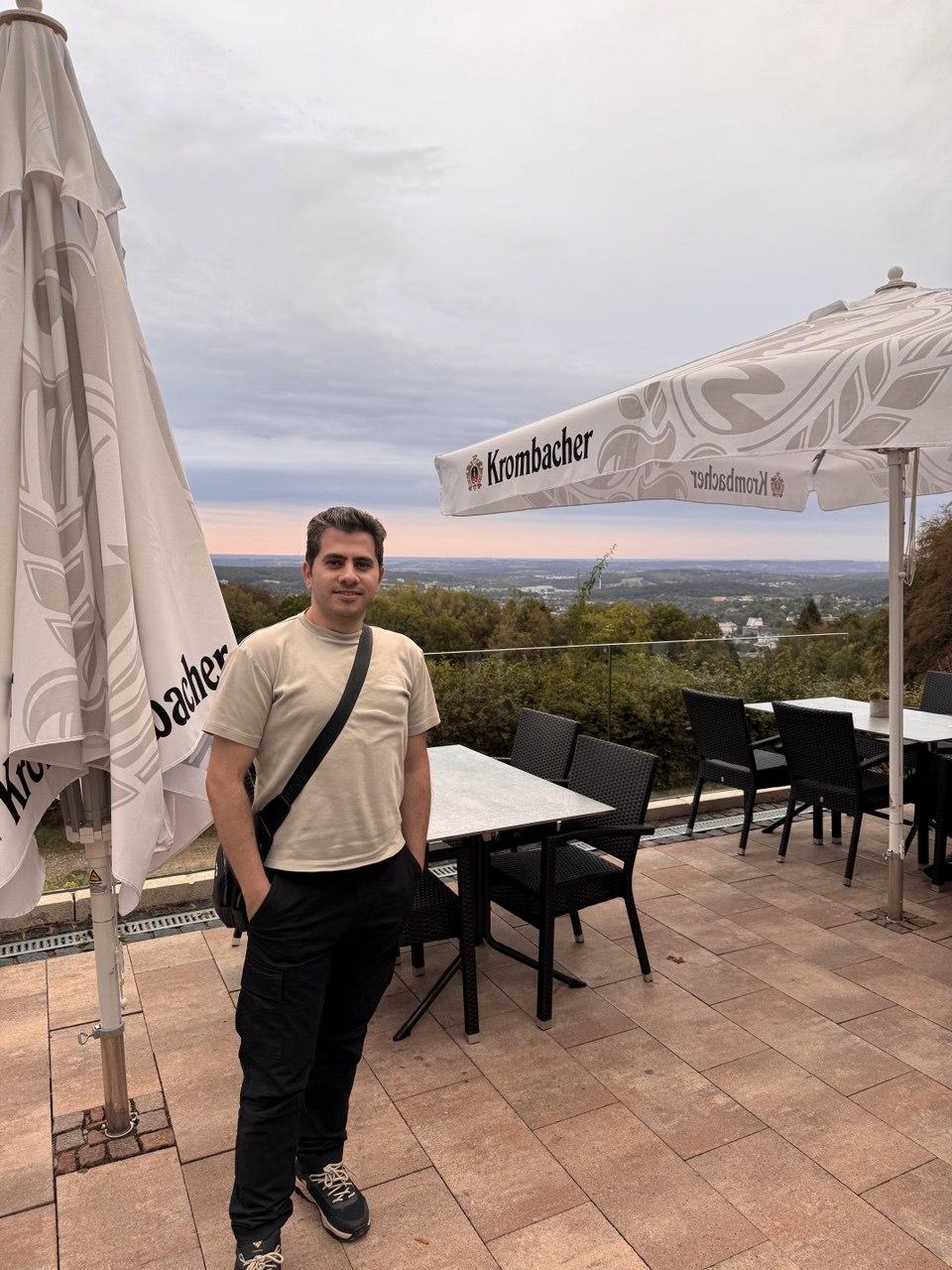
On the other side of the tower is the restaurant, with a panoramic view straight out over Iserlohn — on a clear day you can apparently make out Dortmund, Unna, and Hamm from up there. It's a genuinely beautiful spot, and it's the kind of view that makes you appreciate how deliberately green this country has stayed. Someone made a point, decades ago, of keeping places like this forested instead of building over them — and now it's really on us, the current generation, to keep that up and pass it on in at least as good a shape.
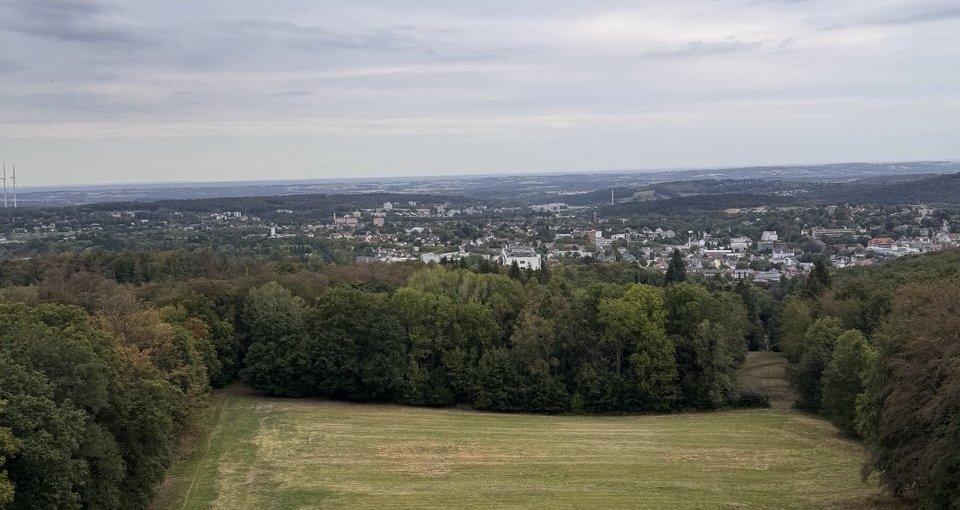
Dinner itself was easily my favorite part of the day. We talked through old projects, told stories about developers who'd moved on long before I joined the team, and swapped the kind of anecdotes that only come out over a good meal. The group spanned an impressive range of ages — from someone born in the 1950s to one of our youngest colleagues born in 2007 — which says a lot about the kind of team this is. The restaurant itself was spotless, the atmosphere was warm and unpretentious, and the food was genuinely excellent. I ordered the salmon and was very happy with it — I'll definitely be coming back here with my wife, more than once.
A Last Surprise
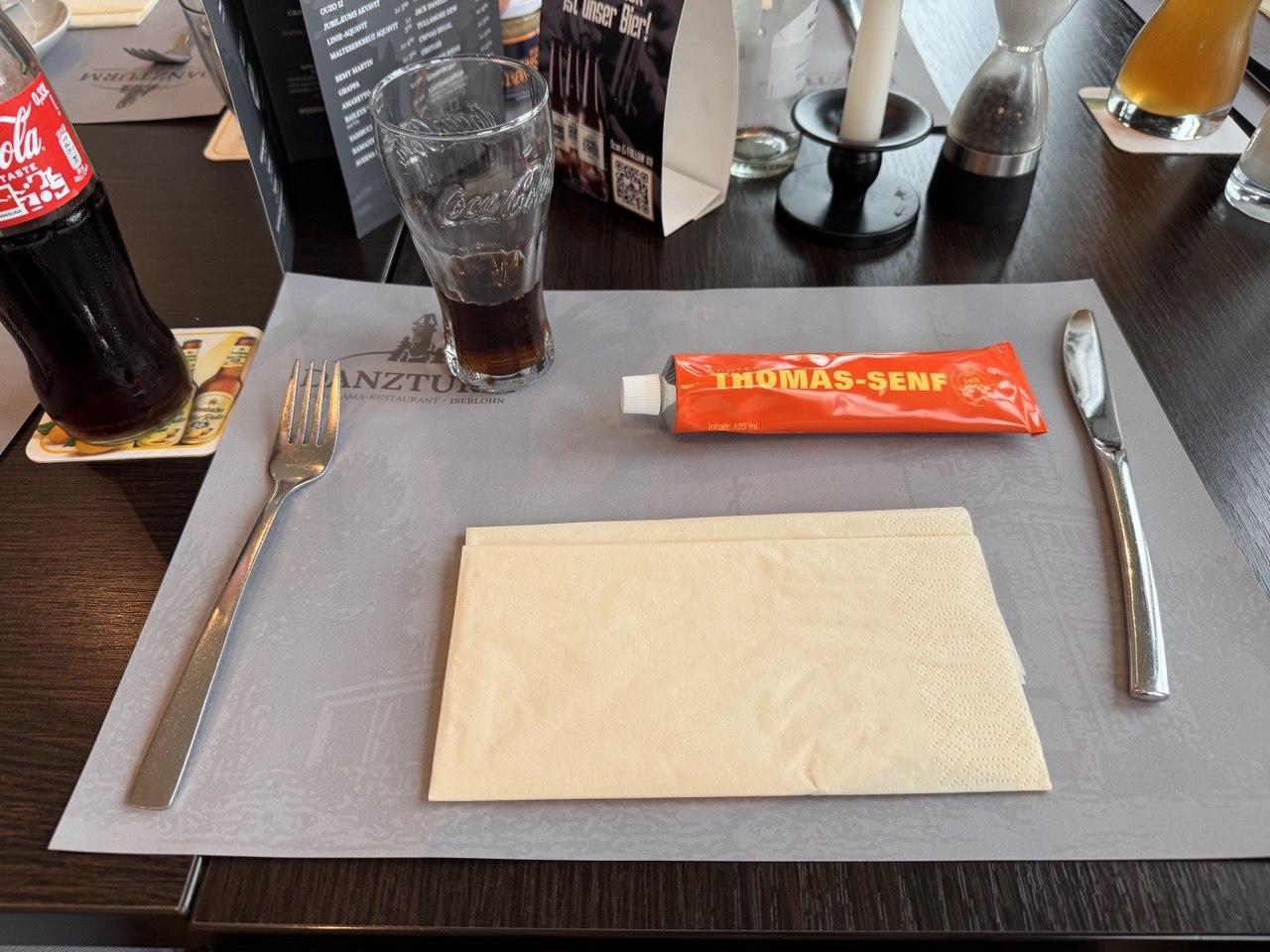
Our team manager, the one who'd suggested the whole Ausflug in the first place, is originally from Iserlohn himself — which explained the excellent choice of both stops. He surprised us again at the table with a small gift for everyone: a bottle of a senf made locally in Iserlohn. We ate, talked a good while longer, and eventually made our way back — a full day, and a genuinely good one.

Mohammed Ahmadi
Software Developer