
Lederhosen, Dirndls, and a Crooked Hotel: A Trip to Ulm and the Munich Oktoberfest
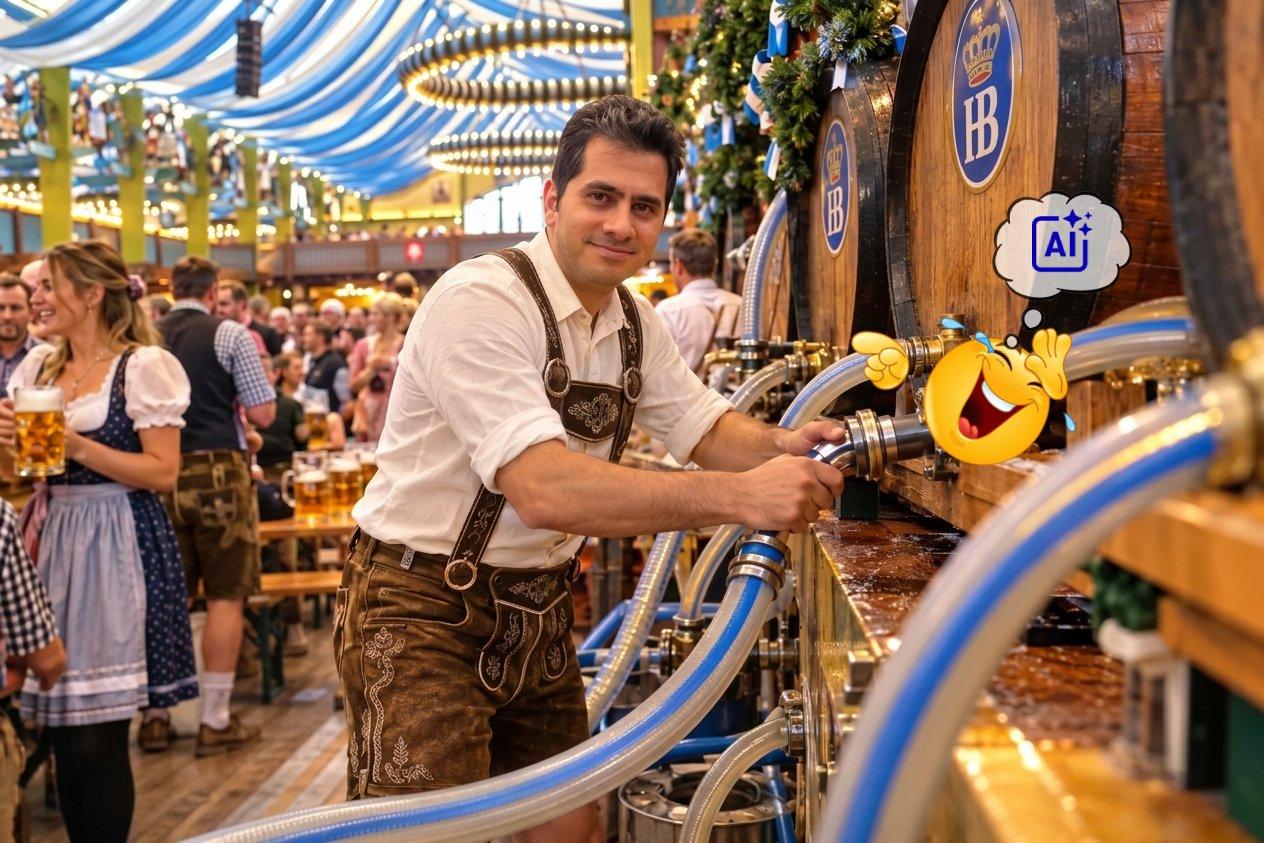
This time the trip took us south instead of north: my wife and I drove down to Ulm on a Thursday afternoon to stay with close friends for a few days, timed around one thing in particular — the Oktoberfest in Munich. It's one of the largest festivals in the world, and certainly the largest when it comes to beer, so we wanted to see it for ourselves.
A Day at the Munich Oktoberfest
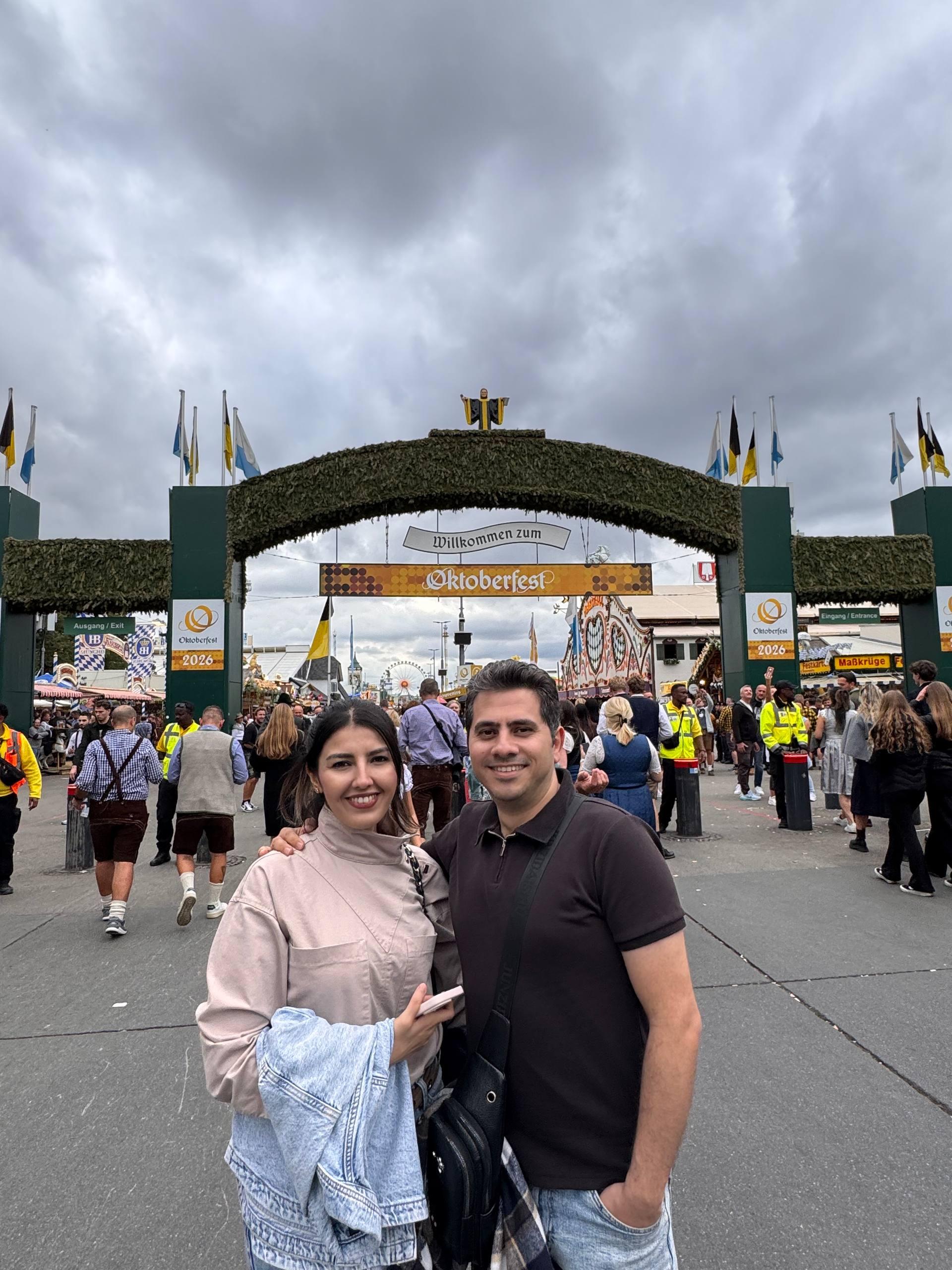
On Friday, we all drove to Munich together. Parking in the city center is expensive, so like most visitors we left the car at a Park & Ride outside the city and took the metro in — a day of parking cost us only about €1.50, which felt almost too easy for a day this busy. The festival grounds, known locally as the Wiesn, were packed from the moment we arrived; organizers were reporting attendance in the millions, and it showed.
Almost everyone was in traditional dress — Lederhosen for the men, Dirndls for the women — and the mood everywhere was simply happy. One detail a local explained to us: the bow on a Dirndl's apron is tied on purpose. On the right side, it signals the woman is taken; on the left, that she's single. It's a small, playful piece of tradition hiding in plain sight.
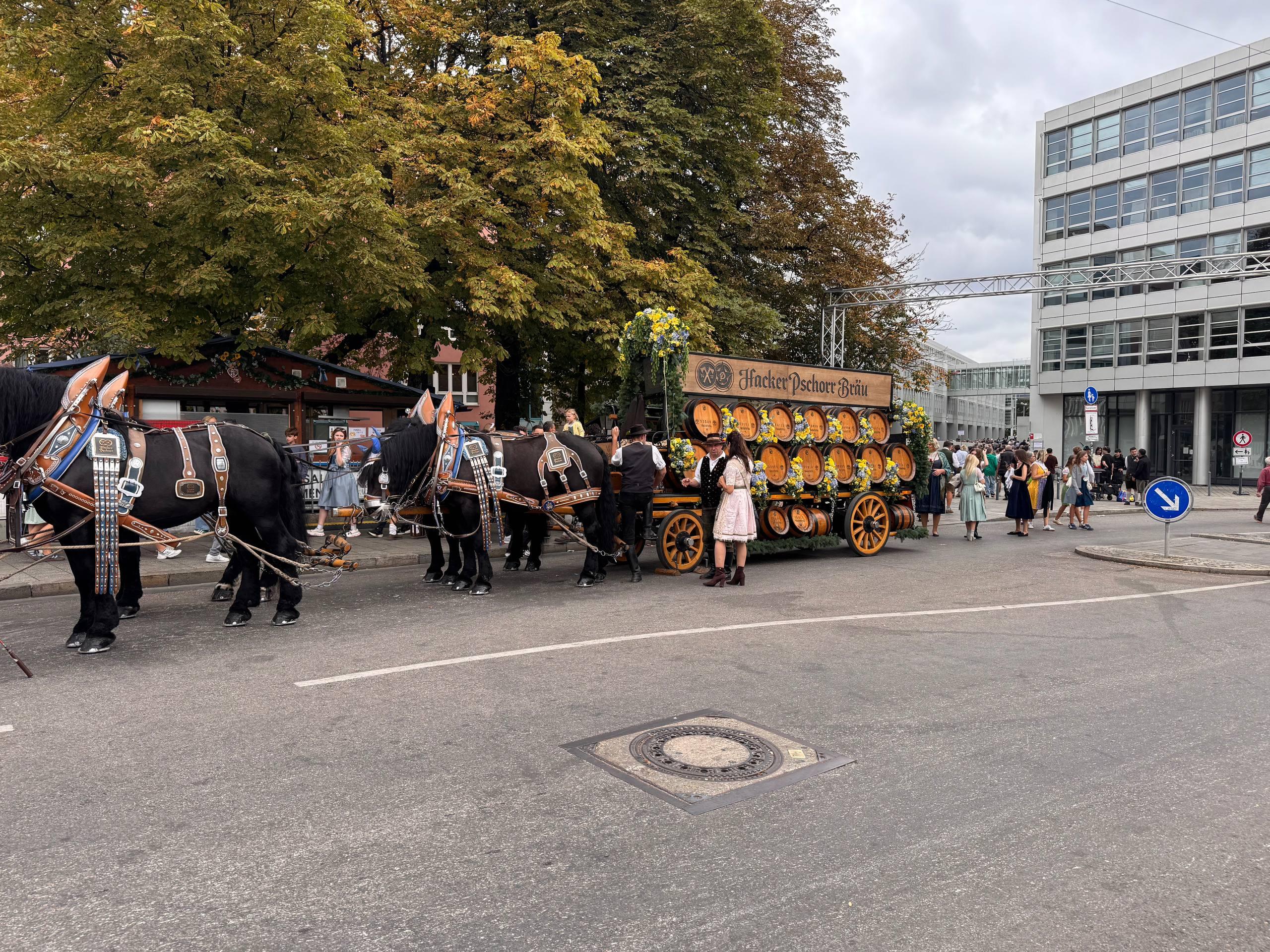
Each of Munich's breweries still brings its beer into the festival the traditional way, on a decorated, horse-drawn wagon — this one belonged to Hacker-Pschorr, one of the six breweries allowed to pour at the Oktoberfest. Seeing the barrels, the flowers, and the draft horses pass by in the middle of the street was one of those details that make the festival feel older than it looks.
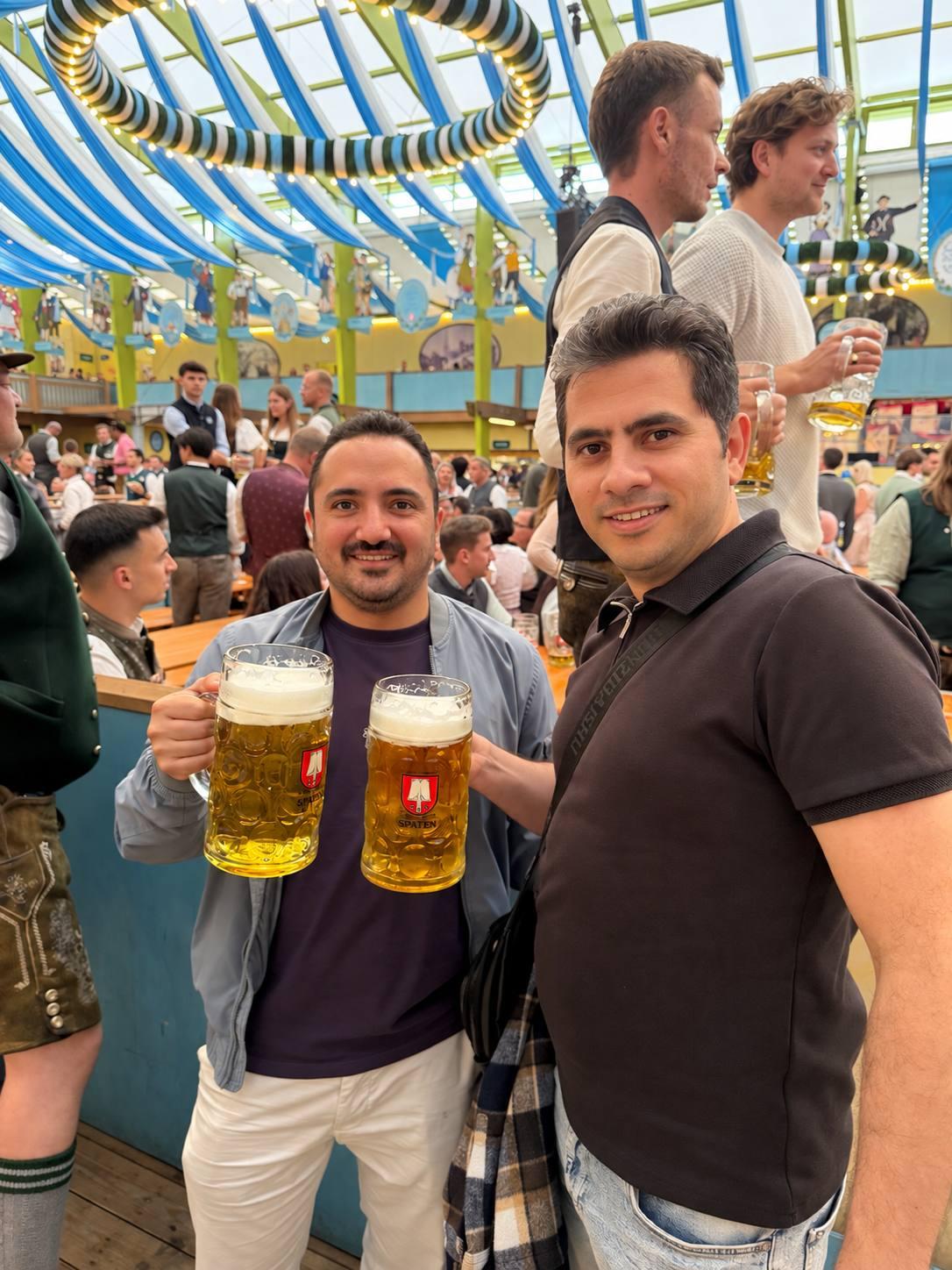
Getting a seat inside a tent without a reservation turned out to be possible but not guaranteed — tents hold back a share of their tables for walk-ins, but with a group of around ten people or more, reserving ahead is clearly the safer bet. A one-liter mug cost about €15, and once inside, drinking is tent-only — taking a Maß outside the tent isn't allowed. We also learned, a little later than we'd have liked, that the tents pour more than just beer; we'd assumed it was beer only, but there were other drinks on offer too.
What stayed with me most wasn't the beer or the crowds, though — it was how genuinely happy everyone around us seemed, strangers included. In a time when so much of the world is dealing with conflict, it's a good reminder of what it looks like when people are simply given a reason to come together and enjoy themselves. I'd like every country to have more of that, not just inside its own borders.
A Walk Through Munich
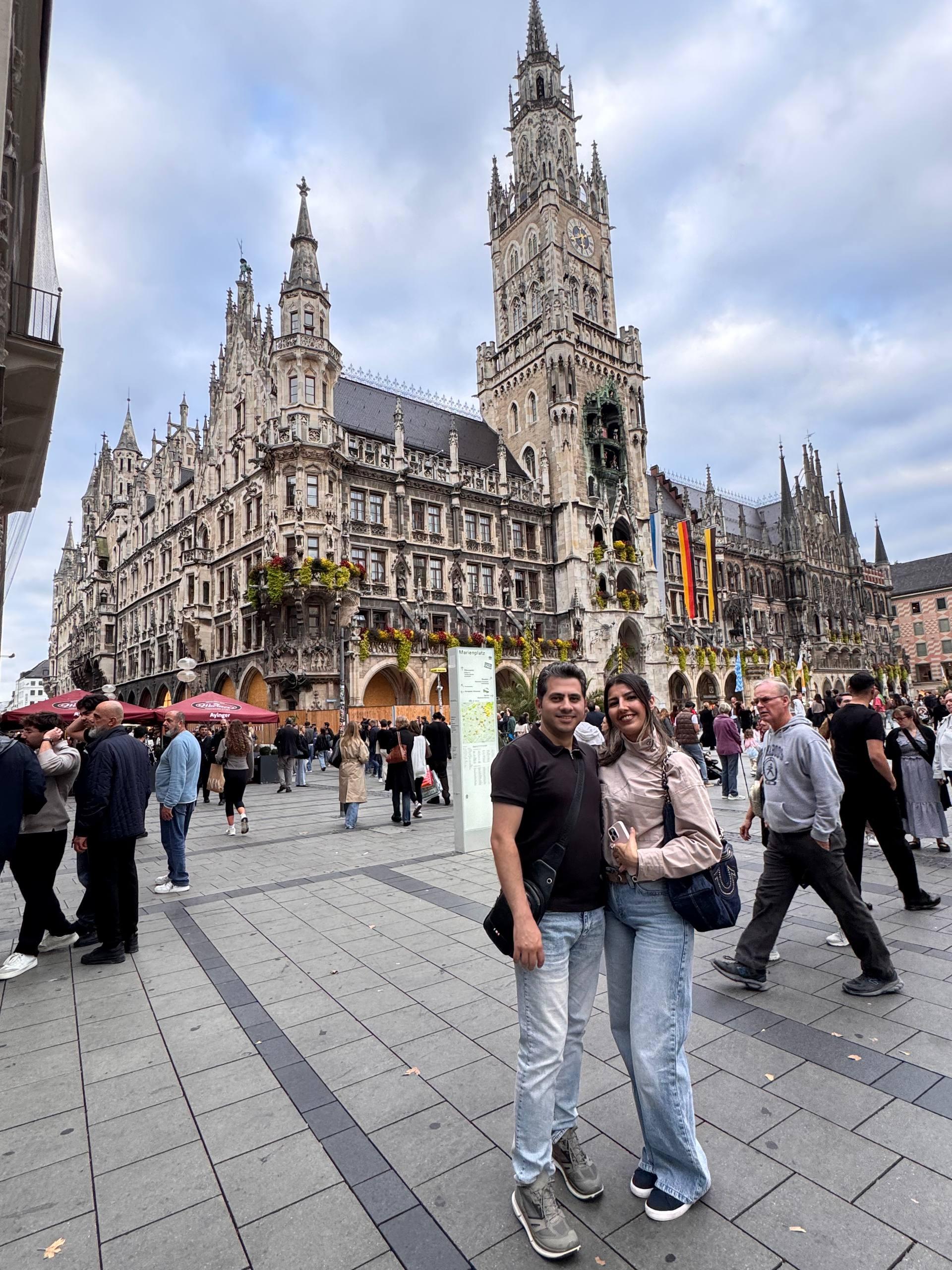
Later that day we spent some time walking around the city center. Marienplatz, with the Neues Rathaus and its Gothic clock tower, is the obvious heart of Munich, and it's easy to see why — the square was full of life well into the evening.
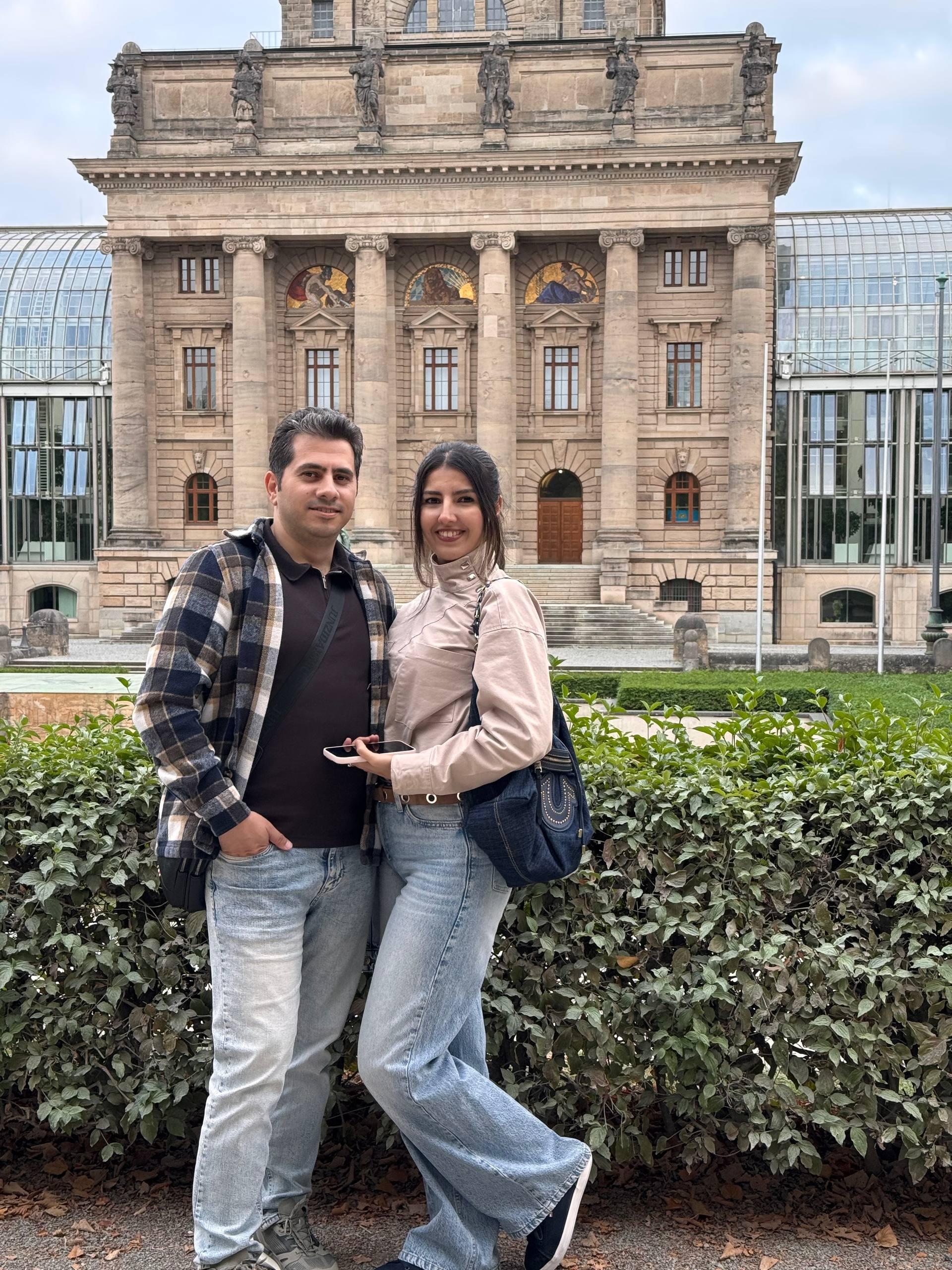
A short walk away is the Bavarian State Chancellery, a striking mix of old and new — a domed building from 1905, once the Bavarian Army Museum, now framed by two curved modern glass wings. It sits right at the edge of the Hofgarten, the royal court garden laid out in the early 1600s.
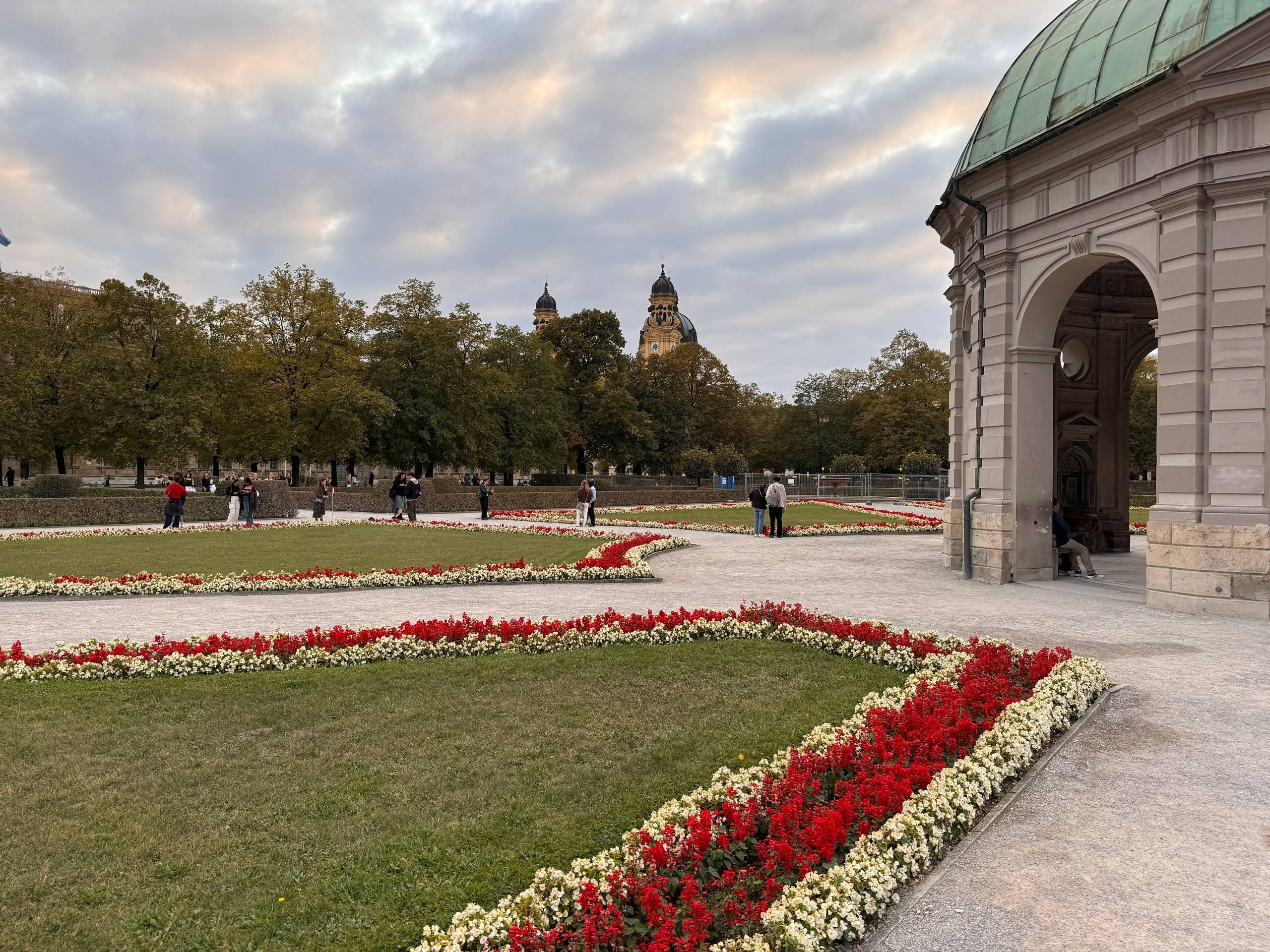
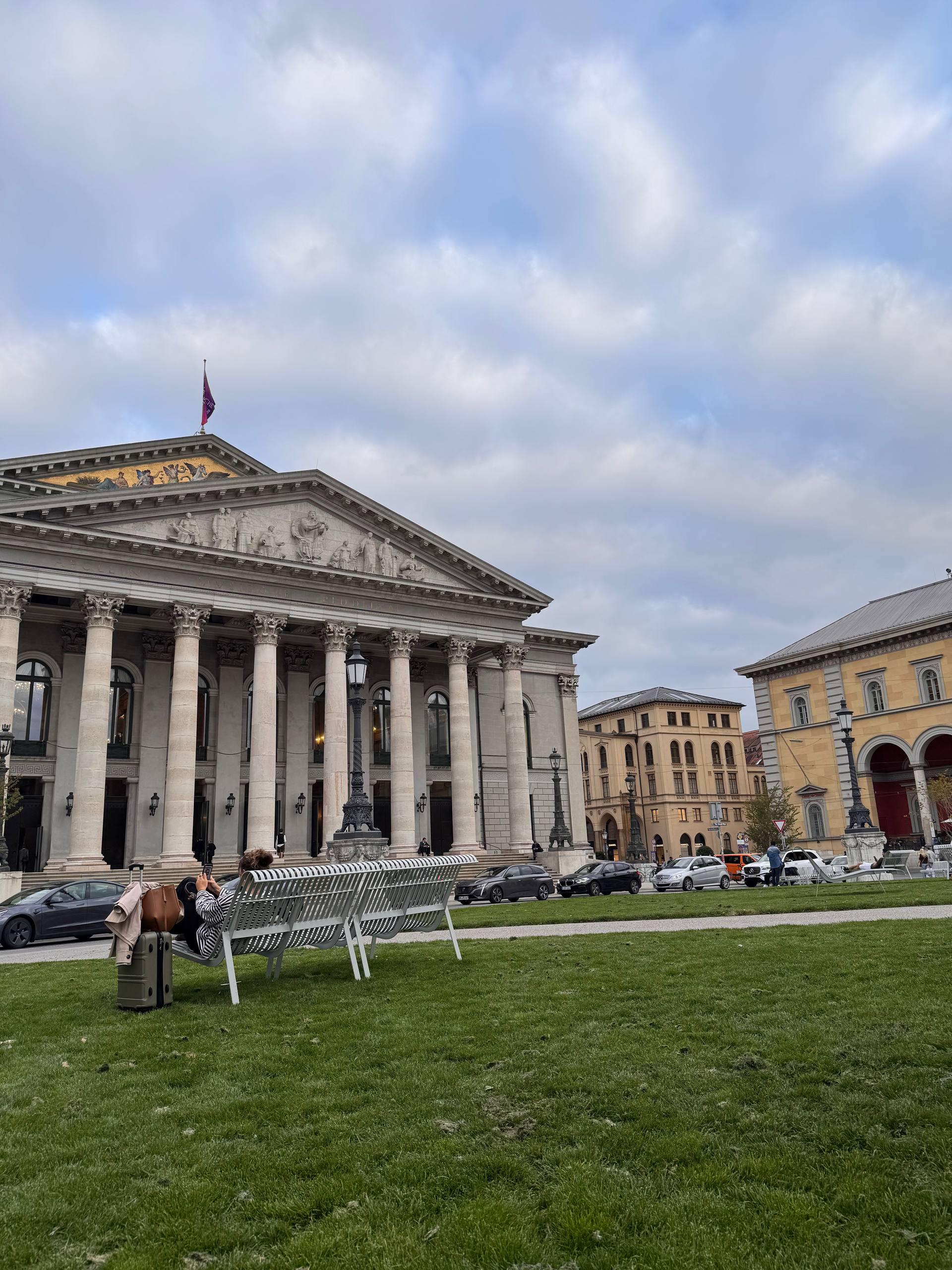
Just around the corner, at Max-Joseph-Platz, the Nationaltheater — home of the Bavarian State Opera — makes its own statement with a row of towering Corinthian columns. Between the two buildings and the garden in between, it's a genuinely pleasant part of the city to wander through, even without a destination in mind.
An Evening at Hafez
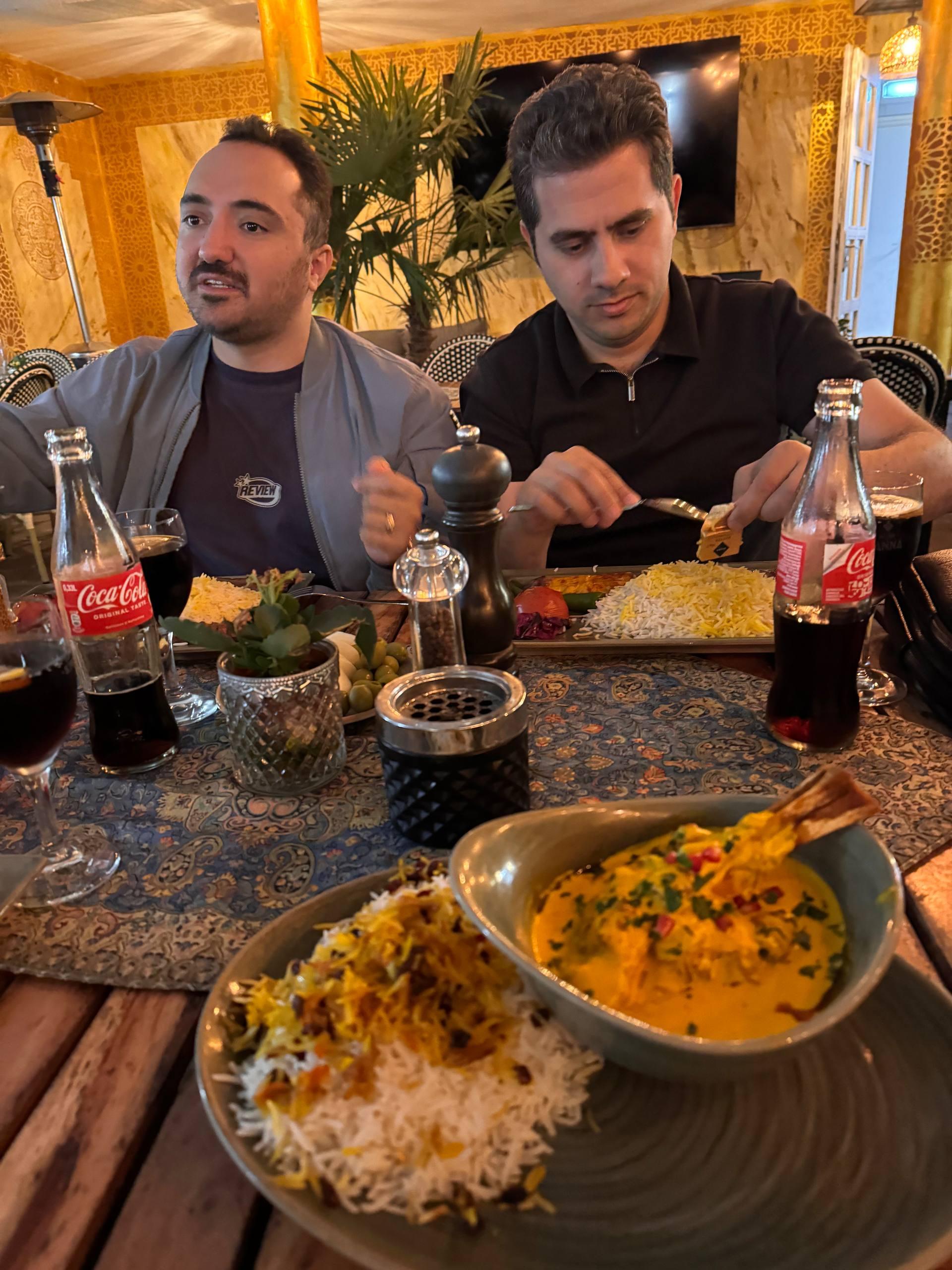
Before heading back to Ulm, we found a Persian restaurant, Hafez, in the city center, and it turned out to be a great call after a long day on our feet. We ordered a few classics — Joje Bakhtiari, Mahicheh (slow-cooked lamb shank), and Soltani — and the prices were fair for what we got. If you're not Iranian and ever get the chance, I'd genuinely recommend trying these dishes; they're some of the best of what Persian cooking has to offer.
Back in Ulm
On Saturday, with Munich behind us, we finally had a full day to properly explore Ulm itself, where we were staying with our friends. The old town turned out to be the nicer surprise of the two cities — small, but genuinely beautiful, and we spent a while by the river just taking it in.
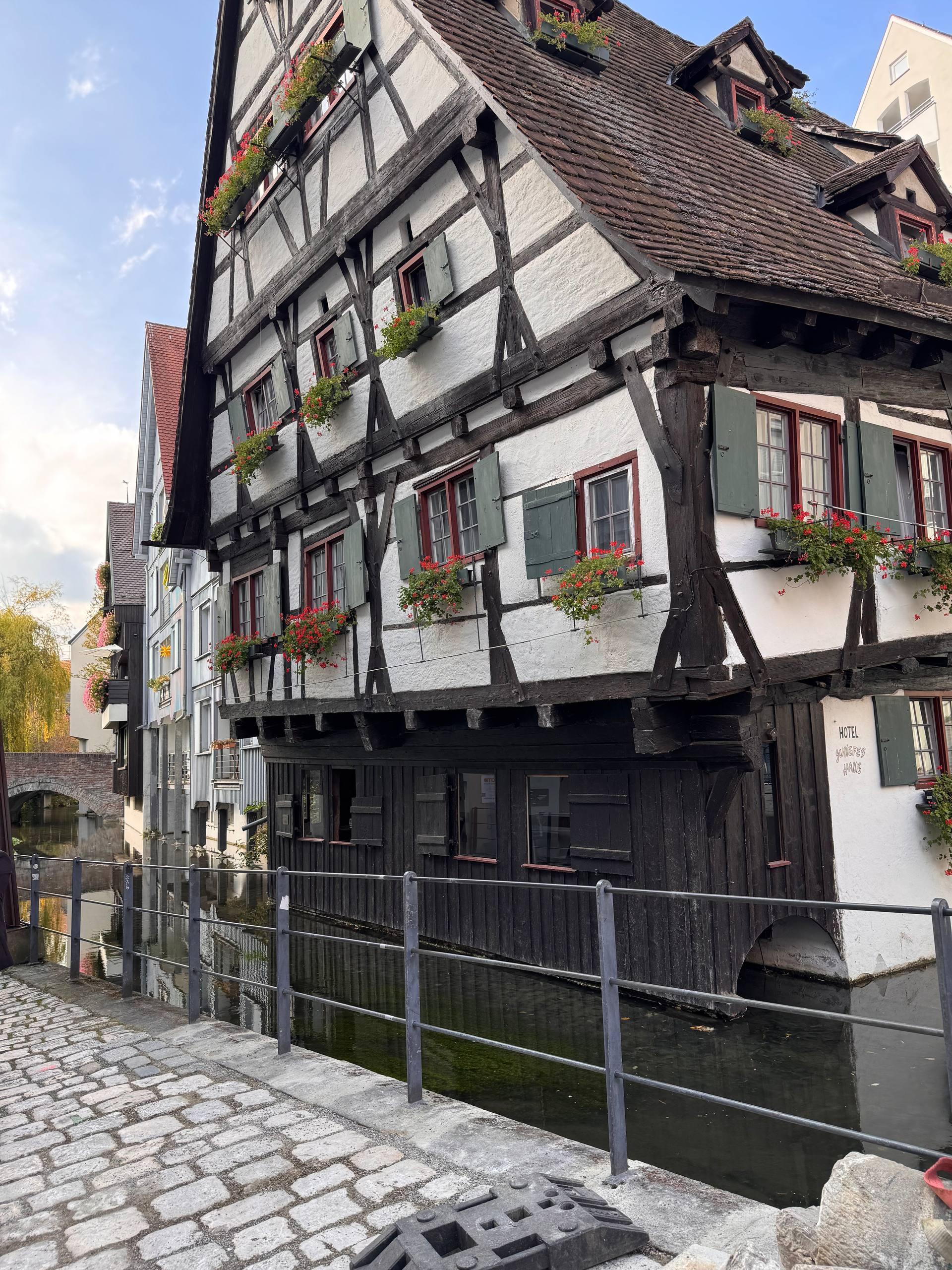
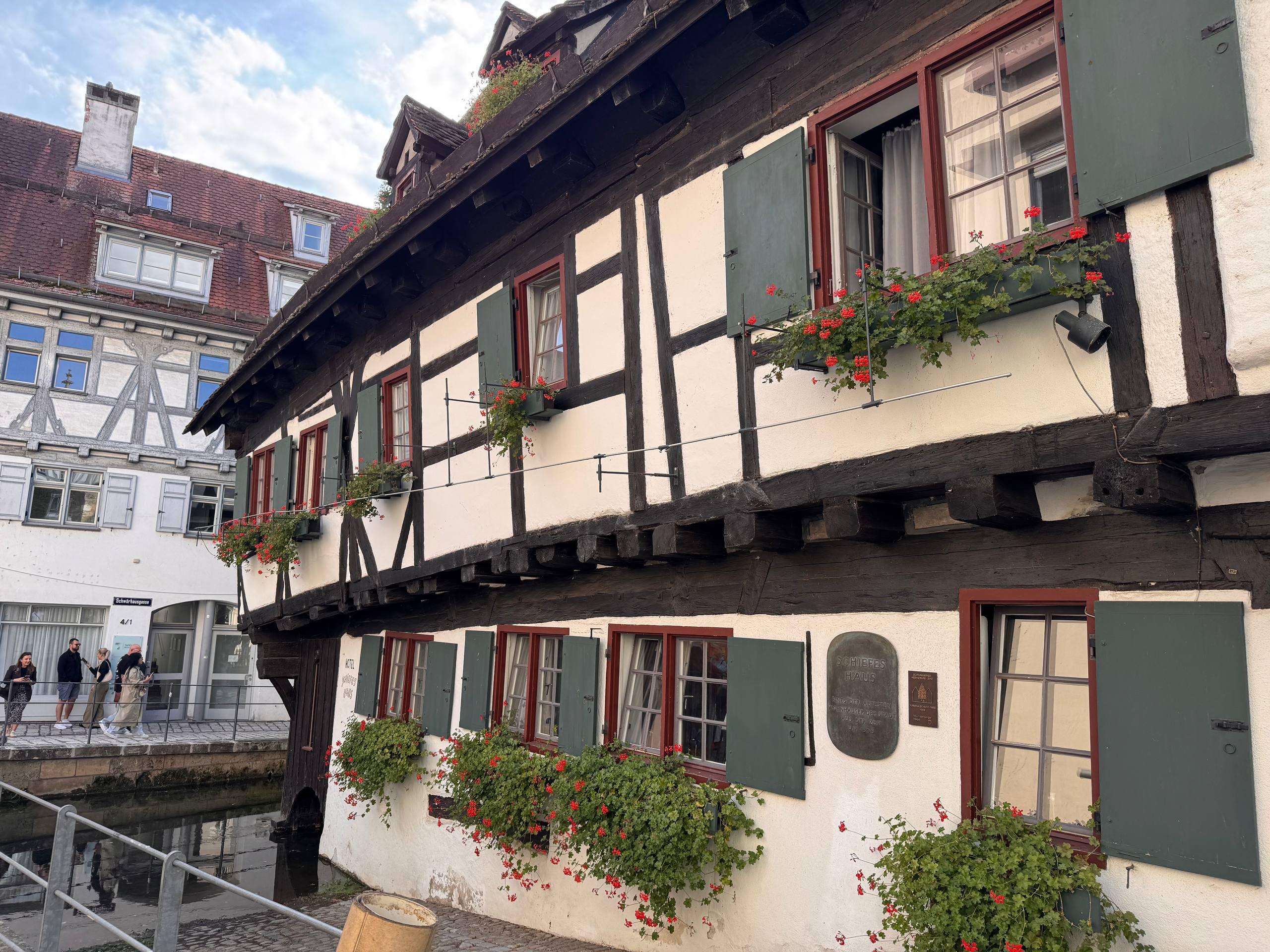
Right beside the water stands the Hotel Schiefes Haus — the "Crooked House" — a half-timbered building in the Fischerviertel (the old fishermen's quarter) that dates back to the early 1400s and leans noticeably toward the river. According to the Guinness Book of Records, it's the most crooked hotel in the world, and it's still a working hotel today, even though we were staying with friends rather than there ourselves.
Ulm Minster
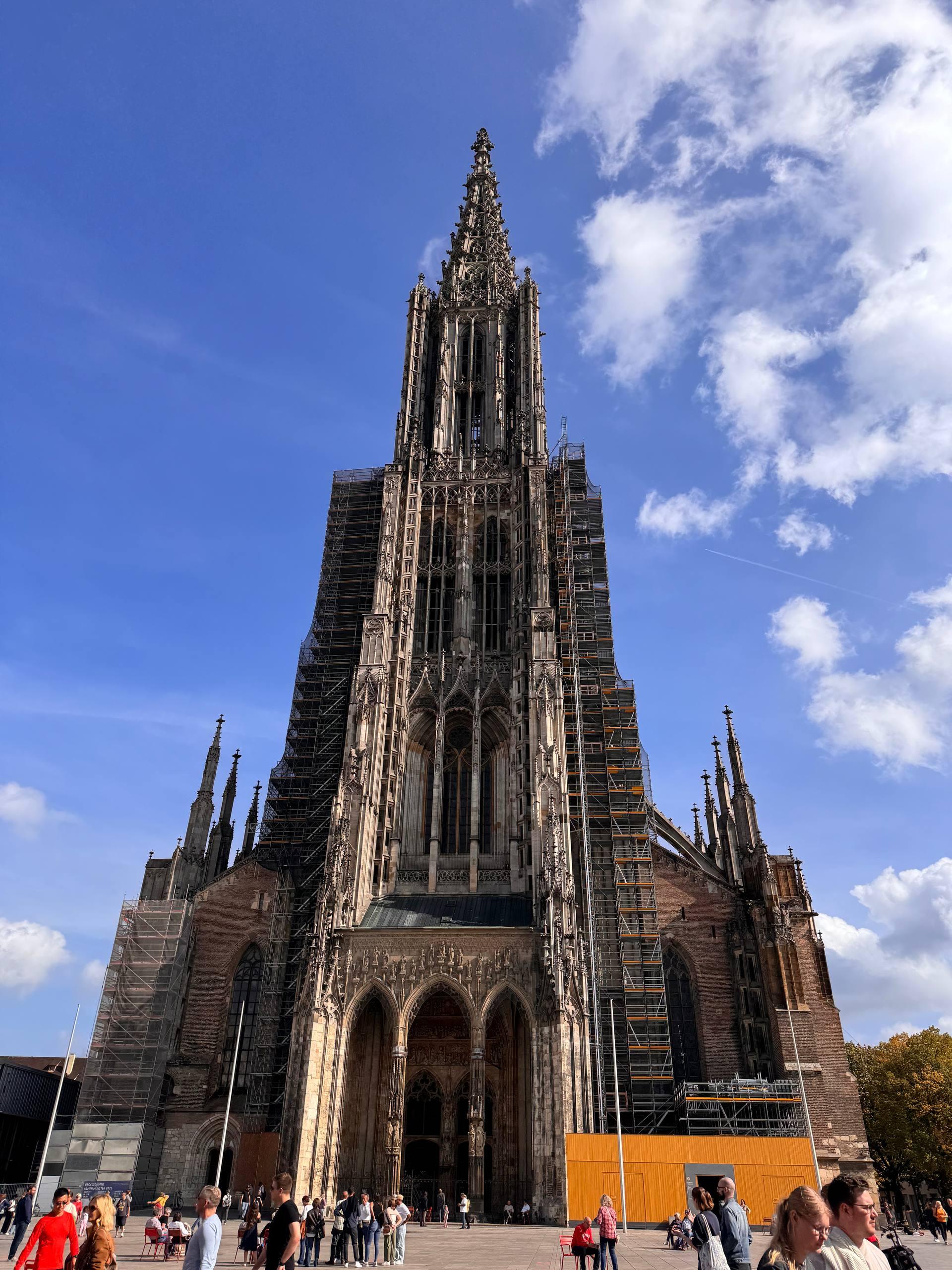
From there we walked to Ulm Minster, and it's hard to overstate how much the place rewards a closer look — the detail in the stonework alone is worth the stop. At 161.5 meters, its spire is the tallest of any church on earth, a title it's held for well over a century, and one it's expected to keep only until Barcelona's Sagrada Família is eventually finished.
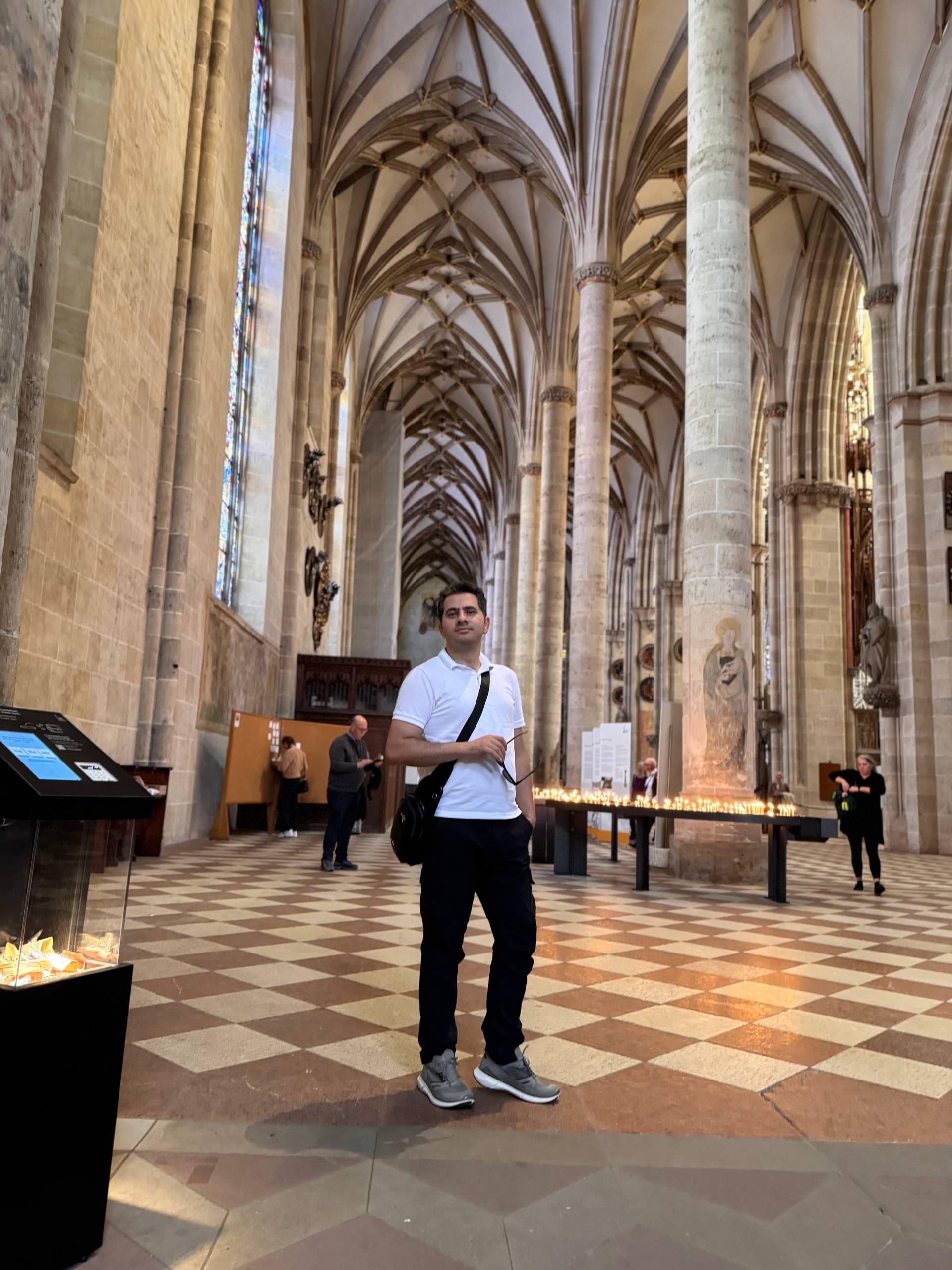
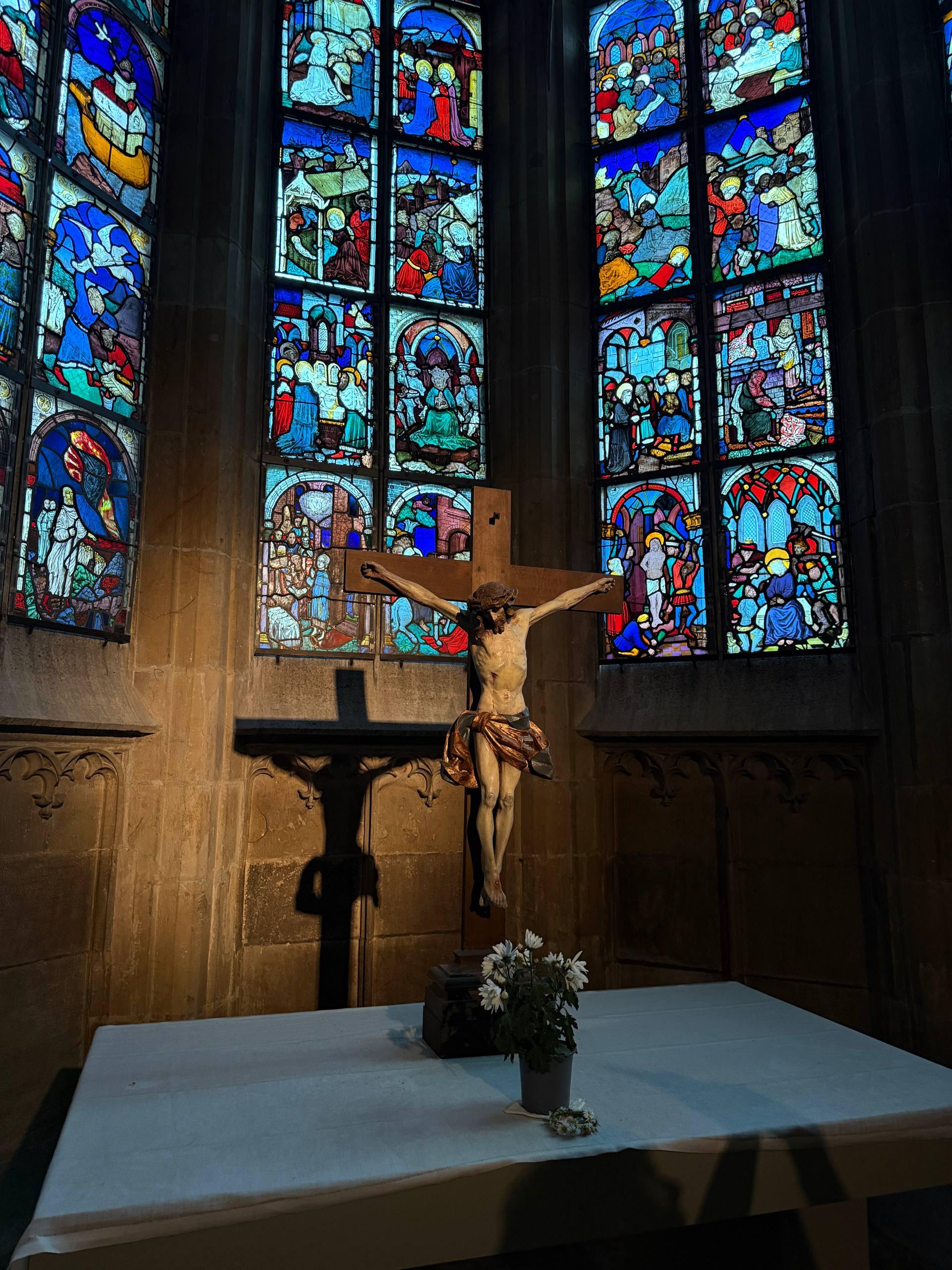
Walking in, the sheer height of the nave changes how you stand — everyone instinctively looks up. The vaulting, the columns, the stained glass: it's the kind of architecture that was clearly built to make you feel small on purpose.
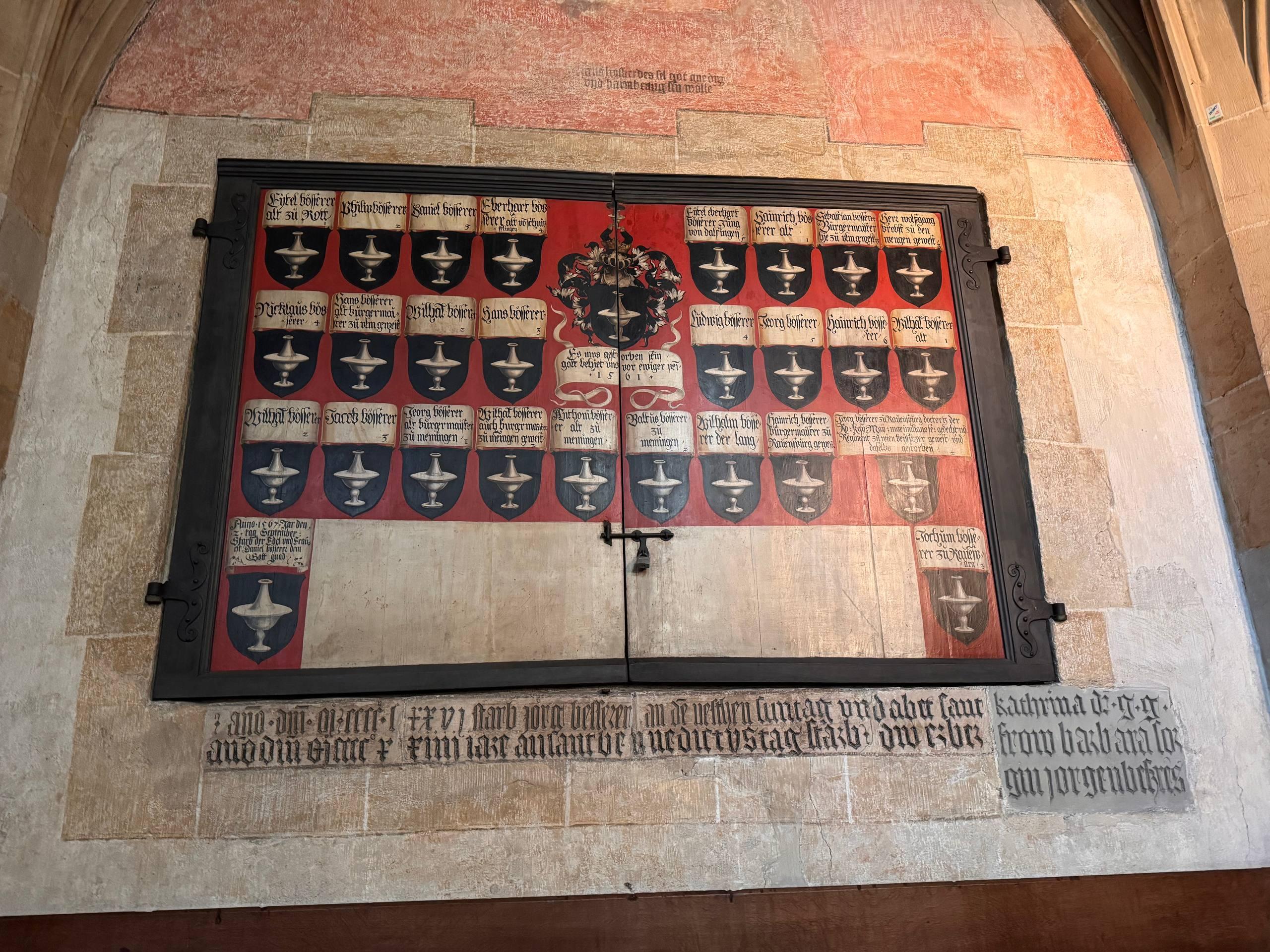
One detail I didn't expect to find inside: a large painted wooden panel, dated 1561, covered in small shields and family names — a memorial from the Besserer chapel, honoring generations of the Besserer family, one of Ulm's old patrician families who shaped the city for centuries. Reading through the names, it's a small reminder of how much history a single building like this can quietly hold onto.
We spent the rest of Saturday evening back by the river near the Schiefes Haus with our friends, not really talking about anything in particular — just enjoying the company.
Heading Home
Sunday morning we said our goodbyes and started the drive back north. One thing that stuck with me on the way: the roads connecting cities in southern Germany felt noticeably smoother than what we're used to around the Ruhrgebiet — whether that's a fair comparison or just good timing, I'm not sure, but it was hard not to notice.
If someone asks me about this trip, I'll probably remember the days in Ulm as much as the one in Munich: a genuinely good time, shared with people we really like, in two cities that turned out to be far more charming than we expected.

Mohammed Ahmadi
Software Developer